


Board Candidate - Urnaa Yondon, P.Geo.
◀ Previous Candidate View All Candidates Next Candidate ▶
Urnaa Yondon, P.Geo. | Victoria, BC
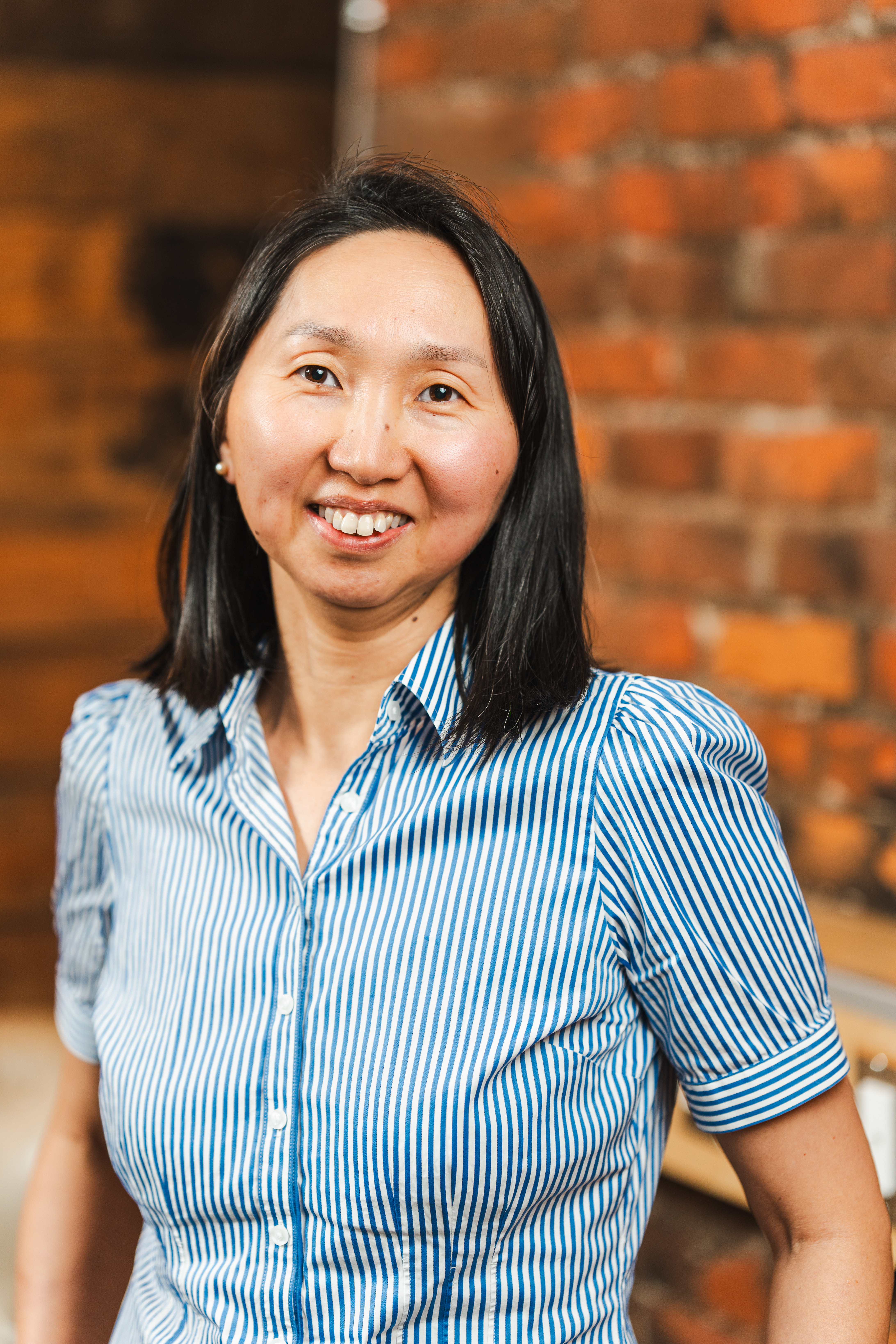 I am interested in serving on the Engineers and Geoscientists BC Board because I care deeply about the integrity of professional regulation and the responsibility to protect the public and maintain trust in engineering and geoscience practice. As a Professional Geoscientist with over 15 years of combined international and Canadian experience, I bring a perspective that bridges internationally trained professionals, technical practice, public interest, and global professional mobility.
My career spans mineral exploration, mining innovation and technology, project leadership, and sustainability initiatives across Canada, Australia, and Asia. As an internationally trained professional who successfully navigated the Canadian licensure process, I offer insight into the challenges facing internationally educated registrants. I also bring governance experience from serving on the Board of the British Columbia Society of Engineering and Geoscience as Director, Treasurer, and Executive Committee member, where I have contributed to strategic decision-making on professional advocacy, financial sustainability, and strengthening the voice of engineering and geoscience professionals in British Columbia.
Education
MBA (Sustainable Innovation), University of Victoria, 2023
MSc (Geophysics), National University of Mongolia, 2009
BSc (Geology), Mongolian University of Science and Technology, 2015
BSc (Geophysics), National University of Mongolia, 2002
Professional History
Chief Executive Officer and Founder, YGEOSCIENCE Ltd., 2023-Present
Program Manager, Arca Climate Technologies Inc., 2024
Geoscientist/Technical Officer, Makara Mining Corporation, 2019-202
Related Professional Activities
Board Director and Treasurer, BC Society of Engineering and Geoscience, 2023-2026
Board Director and Treasurer, Women Geoscientists Canada, 2025-2026
Assessor, Towards Sustainable Mining and Copper Mark, Mining Association of Canada, 2025
Panelist, Geoscience and STEM Career Events, multiple organizations, 2022-Present
Community Involvement
Member, Island Women in Science and Technology, Victoria, BC, 2023-Present
Member, Artemis Project - Women Entrepreneurs, 2024-2026
Volunteer, Young Mining Professionals, Mongolia Chapter, 2021-Present
Awards and Honours
Scholarship Recipient, SRK Consulting (U.S.), Colorado School of Mines Mineral Exploration Masters Program, 2021-2022
Q&A with Candidates
Engineers and Geoscientists BC is the regulatory authority charged with protecting the public interest with respect to the practice of engineering and geoscience in the province of BC. To carry out this mandate, what are the most important considerations for the Board in fulfilling its governance and oversight responsibilities?
The Board's most fundamental responsibility is to ensure that all decisions and actions are firmly grounded in protecting the public interest. This means maintaining clear governance boundaries where the Board provides strategic oversight, sets direction, and holds management accountable, while allowing management to carry out day-to-day regulatory operations effectively.
Transparency and accountability are essential. Registrants, stakeholders, and the public must trust that the regulatory system is fair, consistent, and independent. This requires Board decisions that are evidence-based, well-reasoned, and clearly communicated. It also means ensuring that the organization's financial health and operational capacity are sufficient to deliver on its mandate over the long term.
The Board must also remain forward-looking. As engineering and geoscience practice evolves in response to new technologies, climate change, and shifting social expectations, the regulatory framework must adapt while maintaining rigorous standards. Engaging meaningfully with diverse registrants and communities, including internationally trained professionals and underrepresented groups, strengthens both the legitimacy and the effectiveness of the regulatory system. A Board that listens, reflects diverse perspectives, and acts with integrity builds lasting public confidence in the professions it regulates.
What emerging trend(s) or issue(s) do you believe will most impact the practice of engineering and/or geoscience over the next five years?
In my opinion, I think there are three interconnected trends will significantly shape the practice of engineering and geoscience over the next five years.
First, the energy transition and critical minerals demand are reshaping the geoscience profession. The global shift toward low-carbon technologies is driving unprecedented demand for copper, lithium, and other critical minerals. This places geoscientists at the centre of both discovery and responsible extraction, requiring professionals who understand not only technical exploration but also environmental, social, and Indigenous community considerations.
Second, artificial intelligence and digital transformation are changing how engineering and geoscience work is conducted. From automated data interpretation to AI-assisted design, professionals must navigate the ethical, safety, and accountability questions these tools raise. The regulatory framework will need to evolve to address practitioner accountability in AI-assisted decision-making and the quality of professional work.
Third, climate change is increasingly a core consideration in all engineering and geoscience practice. Professionals are expected to assess climate-related risks, design resilient infrastructure, and apply sustainability frameworks including global ESG disclosure standards. This requires continuous professional development and clear regulatory guidance on integrating climate considerations into professional responsibilities.
I would bring a distinctive combination of technical depth, business acumen, governance experience, and lived diversity that I believe meaningfully strengthens Board composition.
In Strategy Development and Oversight, I bring direct experience in organizational strategy, financial sustainability planning, and performance monitoring from my role as Director and Treasurer on the British Columbia Society of Engineering and Geoscience Board, where I led the Finance, Risk and Audit Committee and contributed to long-term strategic decision-making.
In Climate, Environmental Impact and Sustainability Leadership, I bring practical expertise applying global frameworks including Towards Sustainable Mining, the Copper Mark, Global Reporting Initiative, Task Force on Climate-related Financial Disclosures, and International Financial Reporting Standards sustainability disclosures. My MBA in Sustainable Innovation support evidence-based sustainability governance.
In Financial Expertise, I have hands-on experience in Finance, Risk and Audit Committee governance, budget scenario analysis, forecasting, and financial oversight for a professional society.
Beyond these three areas, my background as an internationally trained woman professional in a traditionally male-dominated field brings a perspective on equity, diversity, and inclusion that I believe strengthens the Board's ability to represent the full diversity of registrants and the public it serves.