


The Future of the Designated Structural Engineer Program
This change will occur in a phased transition as part of a broader approach that fortifies public safety by assessing and enhancing existing regulatory tools (for example, independent review requirements and continuing education offerings) in the structural design of Part 3 buildings.
Over the next months, in collaboration with those directly affected by this change, we will develop a detailed transition plan and will communicate key details and milestones at appropriate times. It is anticipated this transition will occur over the next two years. If you have questions about the decision or its implementation, please see these FAQs.
Background
In 2023, the Engineers and Geoscientists BC Board asked the organization to review the Designated Structural Engineer (Struct.Eng.) program to determine if it still met its intended function of improving public safety in the structural design of Part 3 buildings (buildings over three stories high or larger than 600 m² in footprint) and whether it remained an effective and proportionate regulatory tool given the regulatory safeguards now in place. The goal was to determine if the program should be kept, modified, or discontinued.
Consultation and Program Review
Engineers and Geoscientists BC engaged an external consultant to help gather data and consult with a working group of structural engineers (P.Eng. and Struct.Eng.), municipalities, and industry organizations to assess the current state of the Struct.Eng. program and structural engineering practice overall. You can see the timeline and details of the consultation on our Consultation and Engagement page. Key research included:
- Engineers and Geoscientists BC regulatory requirements
- Provincial and Municipal requirements
- Statistics and details of structural-related discipline cases in BC and Alberta
- Similar Struct.Eng. programs in the world, with a focus on the United States
Surveys
Engineers and Geoscientists BC also conducted two surveys with the industry. The first (Fall 2024) explored perceptions of the current state of the Struct.Eng. program and structural engineering practice, while the second (Spring 2026) examined perceived positive and negative impacts of two alternatives:
- Creating restricted practice for structural engineers (i.e., mandating Struct.Eng. for certain Part 3 buildings), or
- Discontinuing the program and enhancing other regulatory tools
Final Decision
The final decision was made by objectively weighing the options against 10 evaluation criteria, each designed to cover a different dimension of impact. These criteria were:
- Public Safety
- Consistency with Engineers and Geoscientists BC's Mandate
- Right-Touch Regulation
- Labour Mobility
- Technical Excellence
- Municipal Confidence
- Implementation Certainty
- Impact – Registrants
- Impact – Municipalities
- Impact – Engineers and Geoscientists BC Resources
Discontinuing the Struct.Eng. program and enhancing existing regulatory tools performed the highest when compared to these criteria and is the option that best supports fortified public safety and aligns with right-touch regulation.
Next Steps
We understand this decision will affect many registrants personally, and Engineers and Geoscientists BC is committed to making this transition as smooth as possible, with reasonable timelines and regular communication to those affected. Registrants will receive timely information regarding important dates, requirements, and next steps.
We appreciate the time and effort that registrants, municipalities, and interested parties have already invested in providing feedback throughout the review process. This feedback helped shape the alternatives considered, informed the evaluation criteria, and contributed to the Board's decision. It will also help inform the development of the transition plan.
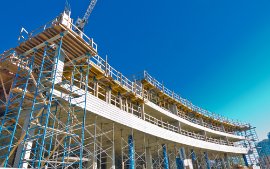
Photo: romakoma